
Best Mulch Types to Stop Weeds in Sydney Gardens
If you’re tired of hand-weeding every other weekend, the quickest win is to switch to mulch for garden weed control. Lay it well once, and you’ll slash maintenance, conserve water, and give your plants a head start—especially through Sydney’s hot spells and surprise downpours. Government sustainability guidance backs this up: mulching reduces evaporation and limits weed growth when used correctly.
What actually stops weeds: The mulch effect, unpacked
At its core, mulch stops weeds by creating a light-blocking, air-limiting barrier. Annual weed seeds need light and a whiff of air to germinate; deny both and you’ve cut the problem at its source. The right particle size also slows the few seedlings that do emerge, making them easy to pluck before they root.
Three mechanisms matter:
Smothering: Dense layers (not rock-hard, just continuous cover) deny light to seeds.
Moisture moderation: Mulch evens soil moisture, encouraging desired plants while discouraging stress-triggered weed flushes after rain.
Physical resistance: Coarser chips form a loose “maze” that physically resists shoots breaking through; finer mulches pack tighter and block light.
For a quick primer grounded in Australian guidance, see mulching for weed control —it explains how materials and placement affect weed suppression and water saving.
Best mulch types for Sydney’s conditions
Sydney’s mix of warm summers, occasional heatwaves, and clay-leaning soils means two goals: weed suppression and water efficiency. These options hit both.
1) Aged hardwood or mixed arborist chips (top pick for beds)
Why it works: Chunky, irregular pieces lock together to form a light-blocking mat that still breathes.
Where to use: Perennial beds, natives, shrub borders.
Watch-outs: Keep clear of trunks/stems by 5–10 cm to prevent rot.
Bonus: Slow breakdown feeds soil biology over time.
Government fact sheets commonly recommend organic chips around young plantings for moisture conservation and reduced weed competition—aim for an even, moderate depth (more on depth below).
2) Pine bark nuggets (neat finish, solid weed block)
Why it works: Stable pieces shed water and resist compaction; they’re tidy in front gardens.
Where to use: Ornamental areas, high-visibility beds.
Watch-outs: Larger nuggets can drift on steep slopes—edge or pin with discreet mesh.
Your Home notes that coarser mulches are excellent for reducing weeds and keeping soil cool—a useful combo for Sydney’s heat.
3) Compost-top + chip-cap (two-layer system)
Why it works: A thin compost layer feeds soil, then a 5–8 cm chip layer caps light and suppresses germination.
Where to use: Tired garden beds needing fertility plus weed control.
Watch-outs: Don’t leave compost exposed—cap it the same day or weeds will love it.
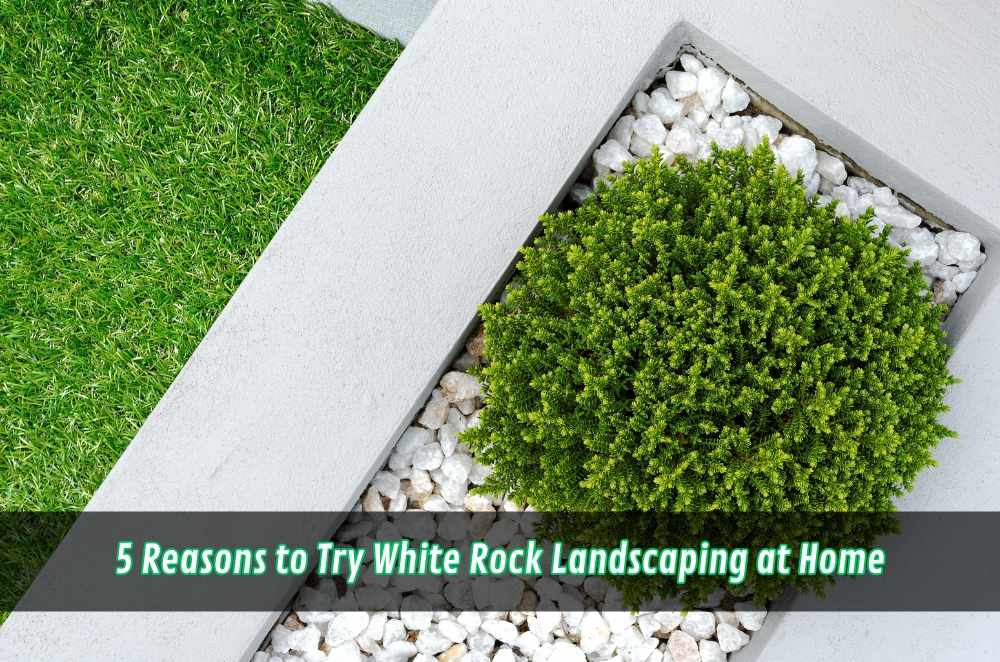
4) Gravel or stone mulch (low-organic, architectural)
Why it works: A permanent, inorganic layer can stop many annual weeds if laid over geotextile or firm soil.
Where to use: Xeric/native palettes in full sun, courtyards.
Watch-outs: Doesn’t feed soil, can heat up reflective spaces; dust and leaf litter can create a new seedbed on top—plan for occasional blow-off or vacuum.
5) Sheet-mulch foundation (cardboard + chips) for resets
Why it works: Cardboard/newspaper layer blocks light to existing turf/weeds, then chips on top finish the job. Ideal for converting a lawn to a garden without spraying.
Where to use: Starting new beds; tackling kikuyu patches.
How-to: Overlap cardboard edges, wet down, add 7–8 cm chips.
Reference: Gardening Australia demonstrates how sheet mulching smothers weeds and builds new beds.
Not sure how bark stacks up against chips? Flag a future explainer with bark mulch vs wood chips.
How much to use—and the simple way to apply it
Depth is the difference between “nice topping” and actual weed control.
General beds: Lay 50–100 mm (5–10 cm). That’s the sweet spot most Australian guidance lands on for suppressing weeds without suffocating roots.
High-pressure areas (wind-blown seed, edge creep): Push to 75–100 mm and keep edges well defined; Your Home also points to 75–100 mm as effective for preventing soil and water loss and controlling weeds.
Around new plantings: Keep a neat doughnut—mulch over the root zone, not piled against stems.
Application steps (quick method):
Weed once, properly. Remove tall weeds and seed heads; leave fine roots if you’re sheet-mulching.
Edge the bed. A sharp spade edge or steel edging keeps chips from wandering and helps maintain depth.
Lay in passes. Tip out small piles and rake to a uniform depth; don’t bury plant crowns.
Water to settle. A light hose helps chips knit together and reduces movement after the first wind/rain.
Want a deep dive on depth? See the mulch thickness to prevent weeds.
Real Sydney examples (from my own garden jobs)
I’ve tried every “magic” mulch trick under the sun. Two standouts:
Marrickville courtyard, full sun, brick boundaries
The bed was a magnet for fleabane and nutgrass. We sheet-mulched with overlapping cardboard, then capped with 8 cm of mixed arborist chips (gum + jacaranda). Three months later, the only weeds were a few wind-blown seedlings that lifted with two fingers. Watering dropped to once a week in summer heat, and the salvias stopped sulking. The sheet layer gave us a reset; the chips kept it that way. (The ABC method mirrors this approach.)
North Shore front garden, clay soil, established camellias
The client wanted a tidy look without bark dust. We used pine bark nuggets at ~7 cm over the drip-line, keeping a collar clear around trunks. The visual upgrade was instant, but the bigger win was fewer weeds from the neighbour’s lawn creeping in. No more bindii greeting us after rain. A government fact sheet’s warning about not mulching against stems saved those camellias from collar rot.
Common mistakes (and quick fixes)
Mulch volcanoes against trunks. Suffocates bark and invites rot. Fix: Pull back to create a 5–10 cm “moat” gap.
Too thin. Anything under ~4 cm won’t block light; weeds will shrug and grow through. Fix: Top up to the 5–10 cm range noted in Australian resources.
Bare patches. Foot traffic and pets make weak spots. Fix: Rake smooth after storms; keep a small “top-up” heap handy.
Fine compost on top. It’s a seedbed. Fix: Always cap compost with chips the same day.
Wrong material in wind tunnels. Feather-light straw can blow; chunky chips or gravel stay put. Fix: Choose particle size to suit exposure.
Choosing by space: A quick matrix
Native bed, low water: Coarse arborist chips or gravel (if architectural look suits). Your Home notes coarse mulches are effective in keeping soils cooler and reducing weeds.
Formal front garden: Pine bark nuggets—tidy look, solid suppression.
Veg patch reset: Sheet mulch with cardboard + chips; transition to straw/compost mulch once weeds are beaten back.
Shady clay strip: Mixed chips; avoid heavy stone that chills soil in winter.
Keeping weeds down long-term (integrated approach)
Mulch is the backbone, but a little routine prevents comebacks:
Edge quarterly. A crisp boundary stops lawn creep—mulch can only do so much.
Spot-pluck after rain. Any seedlings in the mulch pull easily before roots grip.
Buy clean materials. Government advice to buy weed-free mulches and soils is there for a reason—contaminated loads reseed your garden.
Think integrated. Australian agencies emphasise mixing methods—mulch plus hygiene plus targeted removal beats any single tactic.
Quick FAQs
Will mulch attract pests?
Organic mulches host life—mostly the good kind. Keep it off stems, avoid food scraps, and you avoid most issues. Government notes focus more on moisture and weed benefits than pest risks; applied correctly, positives outweigh negatives.
How often do I top up?
Plan for a light top-up annually (or when you measure less than ~5 cm remaining). Coarse chips break down slowly; fine mulches need more frequent refreshes.
Can I just use gravel and be done?
Yes, in the right design. Pair with a weed-mat only if you need a super-low-maintenance surface; still expect to clear wind-blown seedlings on top.
What depth should I use around new plants?
Aim for 50–100 mm but keep a collar gap around stems; this conserves moisture and reduces weed competition without suffocating the plant.








Write a comment ...